




 shqiptare
 euskara
 Zulu
Zulu
 Latinus
 Cymraeg
 தமிழ்
தமிழ்
 Slovak
 Slovak
 Afrikaans


News
Aluminum Collapsible Tubes Bulk Manufacturing Process
Release time:
2024-08-07
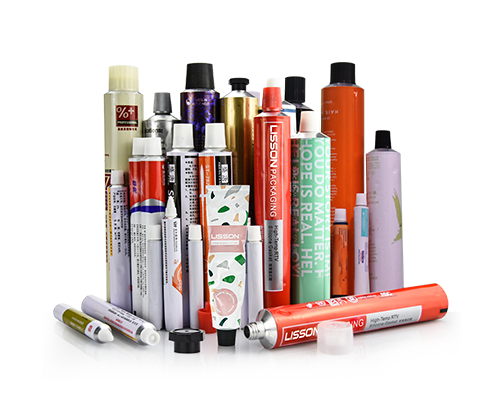
Aluminum collapsible tubes are a popular choice for packaging a wide range of products, from pharmaceuticals to cosmetics, due to their excellent barrier properties, durability, and recyclability. The bulk manufacturing process of these tubes involves several precise and high-tech steps to ensure quality and consistency. Here, we outline the key stages involved in the production of aluminum collapsible tubes.

1. Raw Material Preparation
The process begins with the preparation of high-purity aluminum slugs, which are the primary raw material for the tubes.
- Aluminum Slugs: These are small, cylindrical pieces of aluminum that will be extruded into tube form. The slugs are typically made from 99.7% pure aluminum to ensure high-quality and malleability.
- Inspection and Cleaning: The aluminum slugs are inspected for any impurities or defects and then cleaned to remove any surface contaminants that could affect the extrusion process.
2. Extrusion
Extrusion is the process of transforming the aluminum slugs into tubes.
- Impact Extrusion: The cleaned slugs are fed into an impact extrusion press. In this machine, a high-speed ram strikes the slug, forcing it to flow backward around a punch and form a tube. This step shapes the tube body and forms the open end.
- Trimming: After extrusion, the tubes are trimmed to the desired length using high-speed rotating blades. This ensures uniformity and prepares the tubes for further processing.
3. Annealing
Annealing is a heat treatment process that softens the aluminum, making it more pliable for subsequent shaping and forming.
- Heat Treatment: The extruded tubes are passed through an annealing oven, where they are heated to a specific temperature and then slowly cooled. This process relieves internal stresses and enhances the tubes' ductility.
4. Internal Coating
To prevent any potential reaction between the aluminum and the product it will contain, an internal coating is applied.
- Epoxy Coating: The tubes are internally coated with an epoxy resin or other suitable material using a spray nozzle. This coating forms a protective barrier, ensuring product compatibility and preventing contamination.
- Curing: After coating, the tubes are passed through a curing oven to harden the internal coating and ensure it adheres properly to the tube's interior surface.
5. Printing and Decoration
The aesthetic aspect of the tubes is addressed in the printing and decoration stage.
- Base Coating: A base coat of paint is applied to the exterior of the tubes to provide a uniform background for printing.
- Offset Printing: Using offset printing techniques, the tubes are printed with the desired designs, logos, and information. This step can involve multiple colors and intricate patterns, depending on the branding requirements.
- Varnishing: A protective varnish is applied over the printed design to enhance durability and gloss.
6. Necking and Capping
This stage involves forming the tube neck and applying the cap or closure.
- Necking: The open end of the tube is shaped into the desired neck form using a necking machine. This step may involve several stages to gradually reduce the diameter and form a smooth, consistent neck.
- Capping: The tubes are then fitted with their caps or closures, which can be screw caps, flip-tops, or other types of closures, depending on the product requirements.
7. Quality Control
Quality control is a critical part of the manufacturing process to ensure each tube meets the required standards.
- Inspection: The tubes undergo rigorous inspection at various stages of the production process to check for defects, such as pinholes, uneven coatings, or printing errors.
- Testing: Physical and chemical tests are performed to ensure the tubes' strength, durability, and compatibility with the intended product.
8. Packaging and Shipping
Once the tubes have passed quality control, they are ready for packaging and shipping.
- Packaging: The finished tubes are carefully packed in boxes or crates to protect them during transportation. Special care is taken to avoid any damage to the tubes' printing or structure.
- Shipping: The packaged tubes are then shipped to their final destination, ready to be filled with the intended products.
Conclusion
The bulk manufacturing process of aluminum collapsible tubes involves a series of intricate and precise steps to ensure high quality and consistency. From raw material preparation and extrusion to printing, necking, and quality control, each stage is designed to produce tubes that meet stringent industry standards. By understanding this process, manufacturers can better appreciate the complexity involved and make informed decisions when sourcing aluminum collapsible tubes for their products.
Related news
2024-12-15
Aluminum Tubes and Bottles Packaging Production Factory
Contact Us
Tel : +86-20-86889886
Cell : 008615099958531
Email : lissontube@gzlisson.com
WeChat : 15099958531
Address :Lisson Mansion, No.2-36 Yongfa Road, Huadu District,Guangzhou CHINA
Postcode: 510800

Copyright © 2024 LISSON All Rights Reserved.
Online Message